Data journalism in 2014 has taken a shift towards instant reporting: today it is about applying analysis and discovering data around events in the news as soon as they happen.
It’s been a week since the police shooting of unarmed Michael Brown in Ferguson, Missouri, what have we learned from data journalists about the events and issues behind the unrest which followed?
The first week of any news story is the time when data journalism can have the greatest impact. When people care about a story is the time to strike with the facts themselves.
However, as of today none of the dedicated data journalism sites had Ferguson on their front pages, including 538, The Upshot and Guardian Data (which I used to edit). The startling exception is Vox, which has consistently covered the story in a comprehensive and informed way since it broke seven days ago but doesn’t yet have a dedicated data section. The Washington Post, too, has been particularly active.
So, here’s what we know:
1. Ferguson is 60 percent black. Virtually all its cops are white
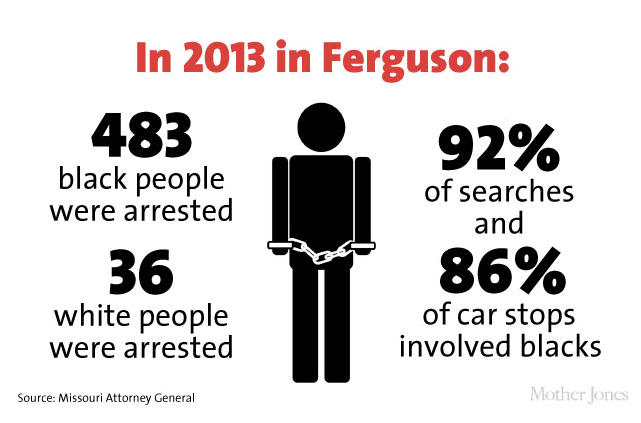
Who: Mother Jones, Aug 13, 2014, Hannah Levintova, Tasneem Raja, Ivylise Simones, and AJ Vicens
Mother Jones was the first to cover this data, which is also since examined in other outlets, such as this video from a local Fox affiliate in St Louis.
2. U.S. Military equipment is used by police forces all over America
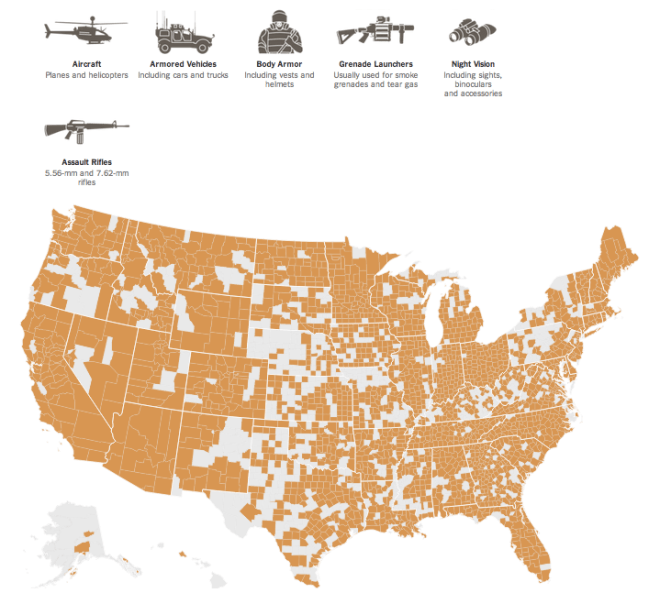
Who: New York Times interactive team, Aug 15, 2014, Tom Giratikanon, Alicia Parlapiano and Jeremy White
3. Police forces often don’t resemble the communities they serve
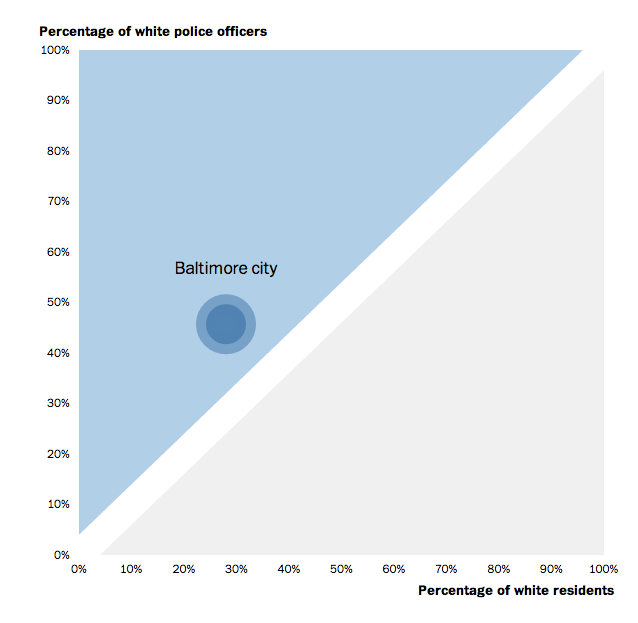
Who: Washington Post, August 14, 2014, Dan Keating, Emily M. Badger and Kennedy Elliott
4. St. Louis is one of the most-segregated places in America
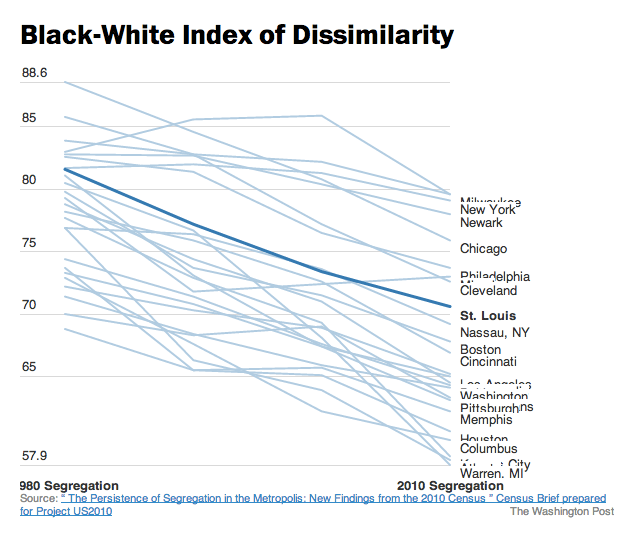
Who: Washington Post, August 11, 2014, Emily Badger
5. Even though crime is going down, there are comparatively more police ‘justifiable killings’ now than ever

Who: The Fix, Aug 15, 2014, Philip Bump
6. What weapons St Louis County received from the Pentagon
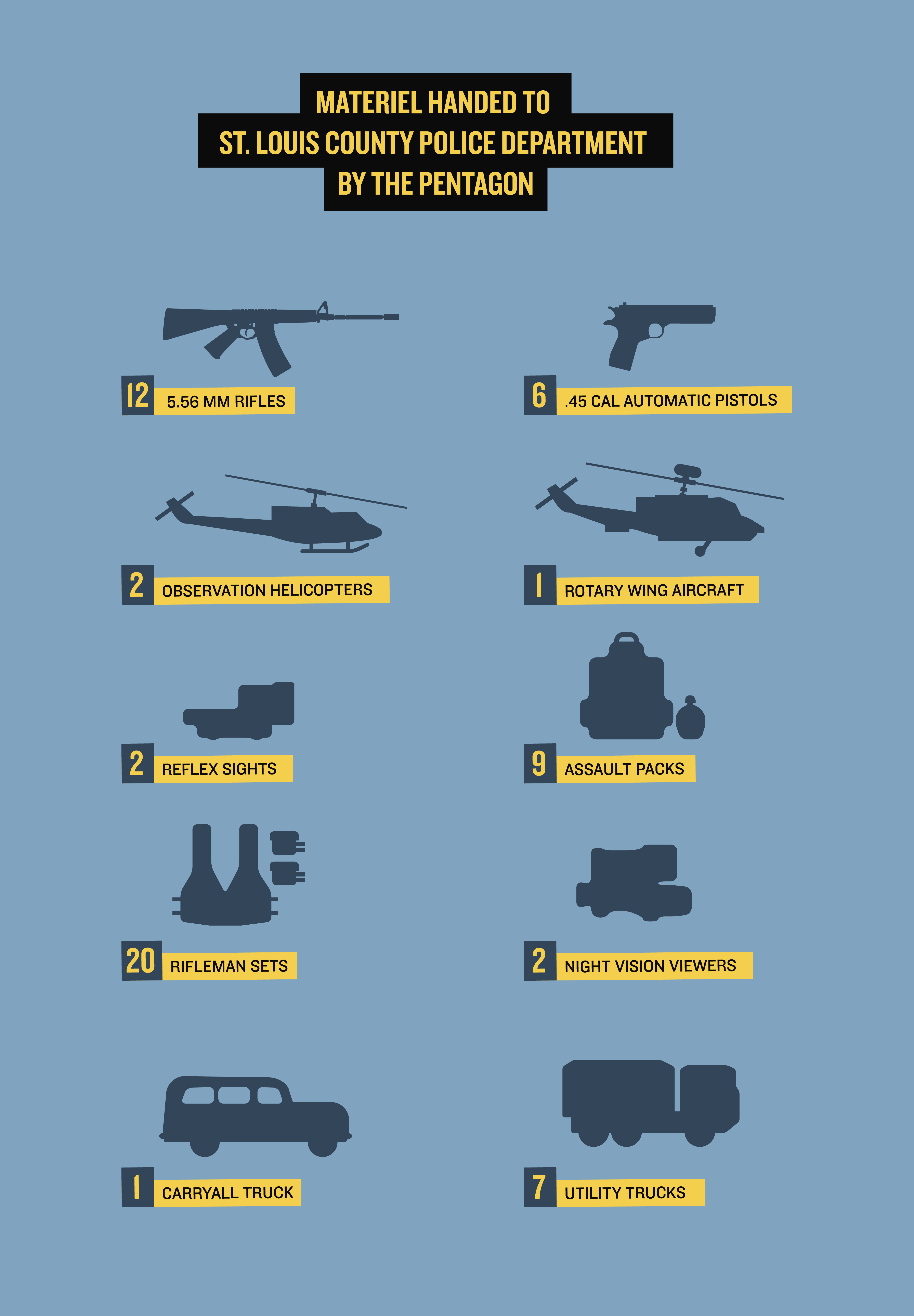
Who: Fusion, August 15, 2014, Daniel Rivero
7. Missouri Highway patrol has one of the area’s fairest records on police stops
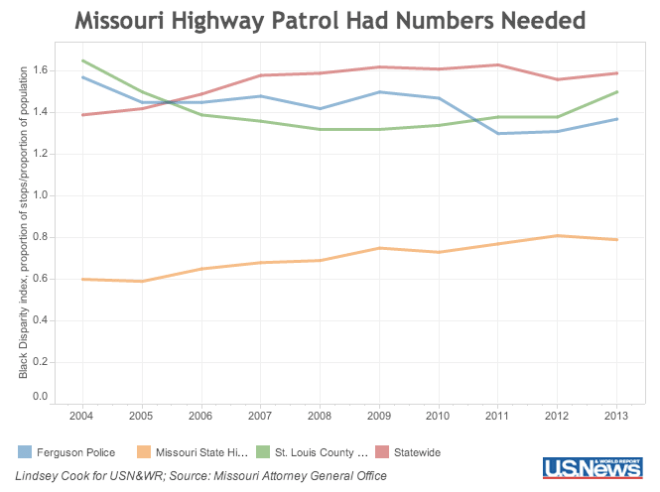
Who: U.S. News, Aug 15, 2014, Lindsey Cook
Caveat about the next one: I made this in my work at @TwitterData. I think it’s fair to include: Twitter has been the way much of this story has been told in the past week.
8. There were over 6 million Tweets about #Ferguson around the world
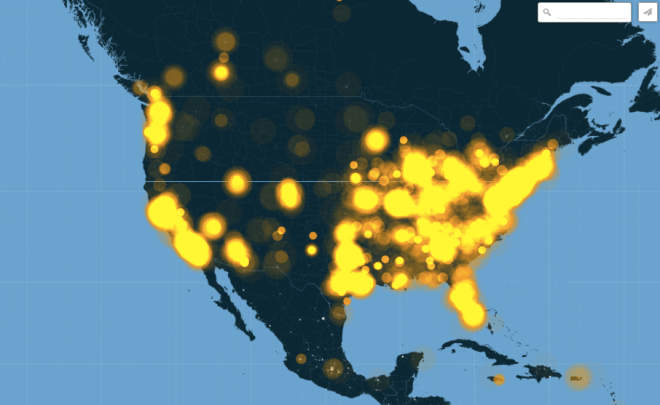
Who: @TwitterData, published in: MailOnline, Washington Post, Mashable
What have I missed? Please add in the comments below


 Simon Rogers
Leave a comment